Grains are mention in the Quran is Surat Al Baqara, but buckwheat is not actually a grain but a nutritious seed that you can use like a grain and it gluten free! Alhamdulilah.
BUCKWHEAT
Buckwheat (Fagopyrum esculentum), also known as common buckwheat, Japanese buckwheat and silverhull buckwheat but its not actually wheat, its not a grass or even a grain, its a seed!
Instead, buckwheat is related to sorrel, knotweed, and rhubarb. Because its seeds are eaten and rich in complex carbohydrates, it is referred to as a pseudocereal
Buckwheat is usually found as raw “buckwheat grouts”

HOORAY ITS GLUTEN FREE!!!
Despite its name, buckwheat actually doesn’t contain any wheat or the protein gluten. Buckwheat is a member of the polygonaceae family of plants and completely unrelated to grains that do contain gluten, like wheat, barley or rye.
It provides a high source of amino acids, vitamins, minerals and antioxidants – all with relatively few calories and practically no fat.
CALORIES
A cup of buckwheat or kasha has 155 calories
A cup of oats has 399 calories
A cup of cornmeal has 581 calories
A cup of brown rice has 248 calories
A cup of tapioca has 130 calories ,low nutrition dense
A cup of whole meal couscous has 176 calories. low nutrition dense
A major benefit of buckwheat compared to other grains is that it has a unique amino acid composition that give it special biological activities. These include cholesterol-lowering effects, anti-hypertension effects and improving digestion by reliving constipation.
Buckwheat Nutrition Facts
One cup of cooked buckwheat grouts contains the following nutrients:
- 155 calories
- 6 grams of protein
- 1 gram of fat
- 33 grams of carbohydrates
- 5 grams fibre
- Only 1.5 grams of sugar
- 86 milligrams manganese (34%)
- 86 milligrams magnesium (21%)
- 118 milligrams phosphorus (12%)
- 6 milligrams niacin (8%)
- 1 milligrams zinc (7%)
- 34 milligrams iron (7%)
- 0.13 milligrams vitamin B6 (6%)
- 24 milligrams folate (6%)
- 0.6 milligrams pantothenic acid (6%)
Buckwheat can be eaten as is, sprouted and eaten raw, milled in to flour or roasted then its called kasha and can be eaten in a sweet or savory vibe
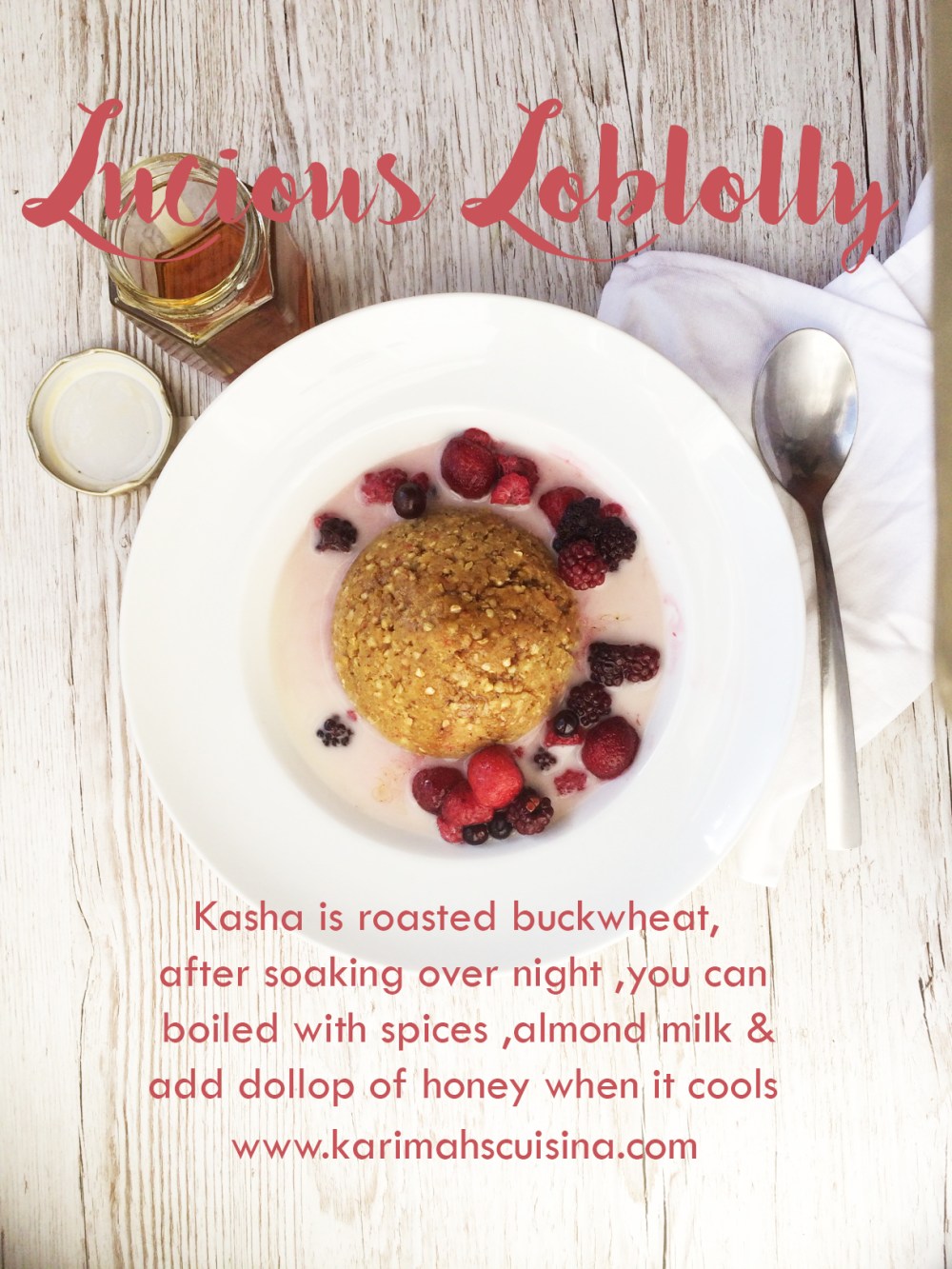
We washed a cup , then soaked over night , then strained and cooked the next day with almond milk and spices. one thing we noticed it that it soaks up fluid quickly and also i noticed that my bowels were open more than usual but in a good way not bad.
For our recipes you will need to wait because we are still experimenting but here’s a couple that look good enough to eat.
Cooked Kasha
1 cup toasted buckwheat groats
1 3/4 cups filtered water
1-2 Tbsp butter, to taste (I used unsalted butter)
1/2 tsp salt, or to taste (I used sea salt)
How to Cook Buckwheat (Stove-top Method):
1. Rinse and drain buckwheat well.(I would say soak overnight then drain)
2. In a medium sauce pan, combine buckwheat groats with 1 3/4 cups water, 1 Tbsp butter and 1/2 tsp salt. Bring to a simmer then cover with a tight fitting lid and simmer on low for 18-20 minutes. Just like with rice, you should hear hissing while it’s cooking and it will get quiet when it’s done. Stir in additional 1 Tbsp butter if desired...or olive oil
https://natashaskitchen.com/2015/02/15/how-to-cook-buckwheat-kasha/

 Karimah's Cuisina Quranic Cooking